


- Ensemble performance
- Music education
- Arts and cultural organizations
- Church and community music
- Music composition
- Arts administration
- Creative industries
- Graduate study in music or related fields
Music
Music Studies Minor at William Jewell
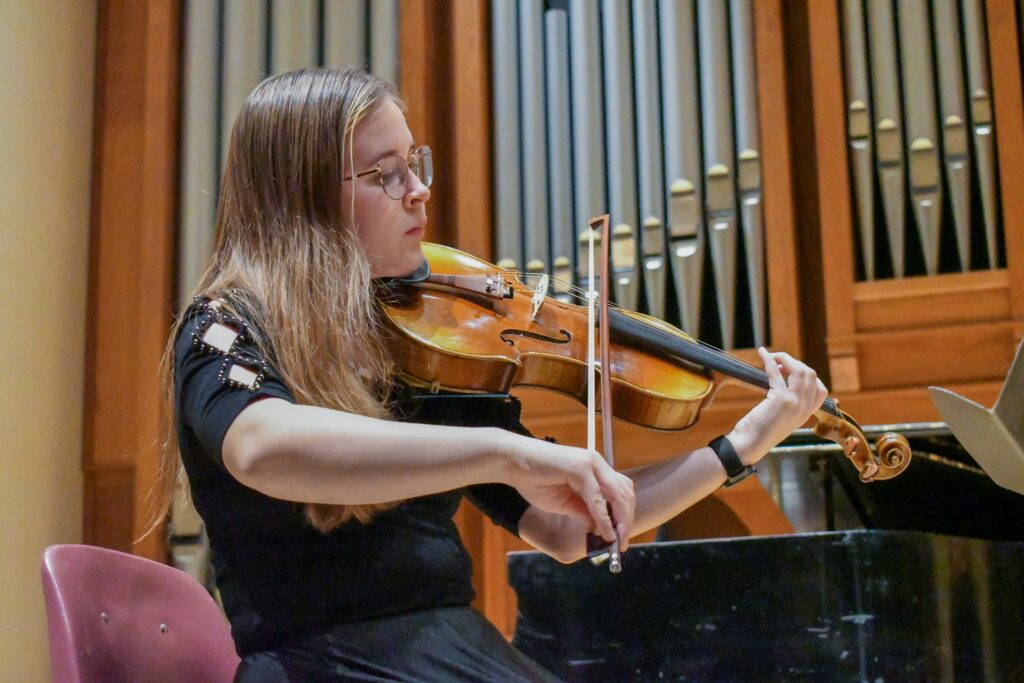
The Music Studies minor provides students with a broad, academic study of music without requiring the full commitment of a music major. Students develop musicianship and analytical skills while exploring music history, theory, composition, and performance.

Interests & Attributes:
- Music Enthusiasts
- Analytical Thinkers
- Collaborative Learners
Goals for Student Learning
Students develop foundational skills in music theory and ear training, learning to recognize, analyze, and communicate musical ideas.
Students explore music across historical periods, cultures, and traditions. Coursework introduces students to Western music history, American popular music and jazz, and non-Western musical traditions.
Students also develop their understanding of musical structure, composition, and performance through advanced coursework and ensemble participation. These experiences help students connect academic study with the practice of making and experiencing music.
Immerse Yourself
The Music Studies minor is designed for students who want meaningful collegiate music study without pursuing a full career in music. It can complement majors across the liberal arts, sciences, business, education, and other disciplines.
Students complete courses in theory, ear training, music history, analysis, and composition, along with participation in at least three ensembles. The minor provides flexibility for students to explore the areas of music that most interest them.
Beyond Jewell
Music Studies can add a valuable creative and cultural dimension to almost any major. Students develop listening, analytical, collaboration, discipline, and communication skills that can complement their primary field of study.
The minor can also provide a foundation for students who want to remain involved in music through performance, education, community organizations, churches, arts organizations, or personal creative pursuits.
Students participate in at least three ensembles as part of the minor, providing opportunities to collaborate with other musicians and apply their classroom learning in a performance setting. Students may also substitute select collaboration, production, and concert management courses for ensembles with permission from the program director.
Music Faculty
-

Langston Hemenway, D.M.A.
Associate Professor and Director of Music; Director of Instrumental Studies
-
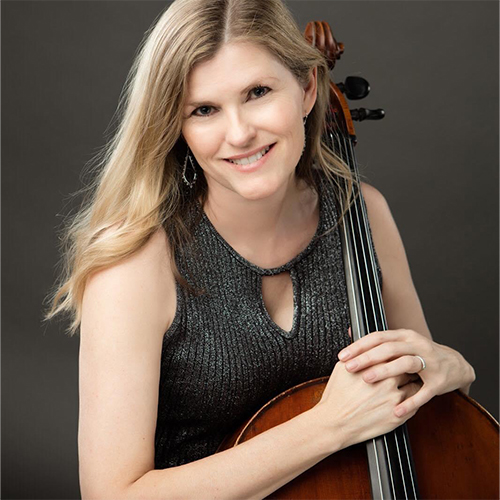
Dana Woolard, M.M.
Adjunct Instructor in Music – Cello
-
Dustin Williams, D.M.A.
Instructor of Trumpet
-

Laura Lowry, D.M.A.
Director of Vocal Studies
-

Jessica Koebbe, D.M.A.
Director of Keyboard Studies
-
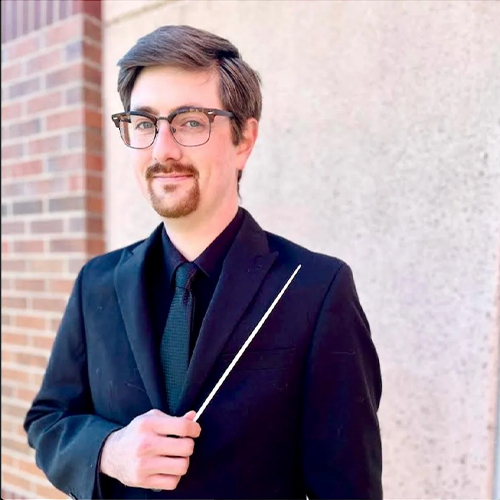
Lawrence Abernathy, D.Mus.
Assistant Professor of Music; Director of Choral Studies
-
Tracey Johnson, Ph.D.
Collaborative Pianist
-

Erin Lillie, D.M.A.
Instructor of Voice