


- 100% employment rate within 3 months of graduation
- 85% employment rate prior to graduation
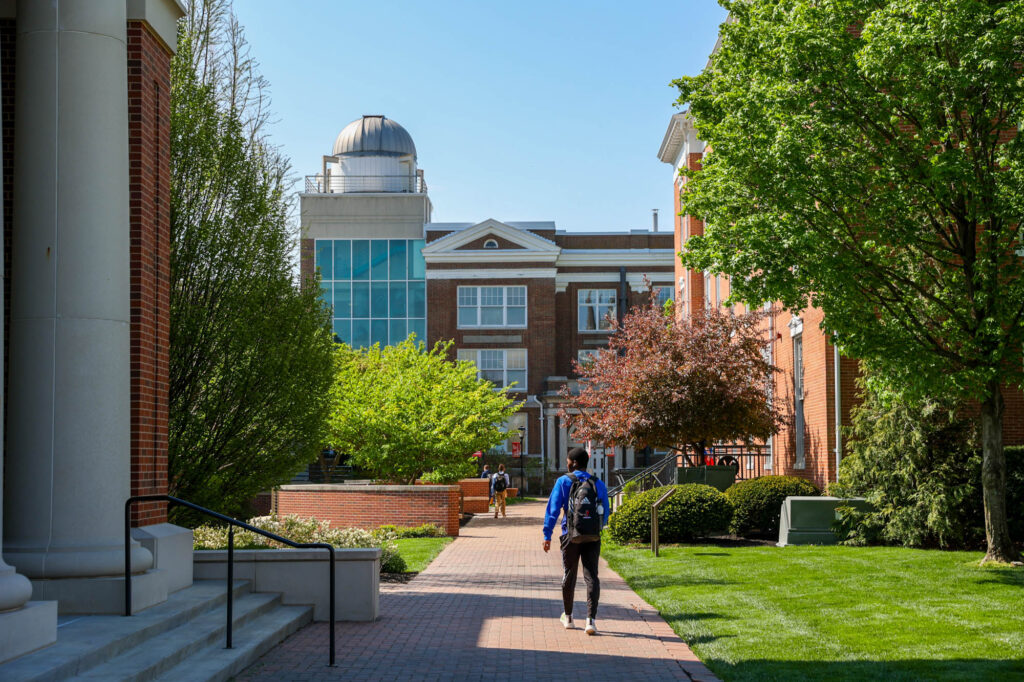
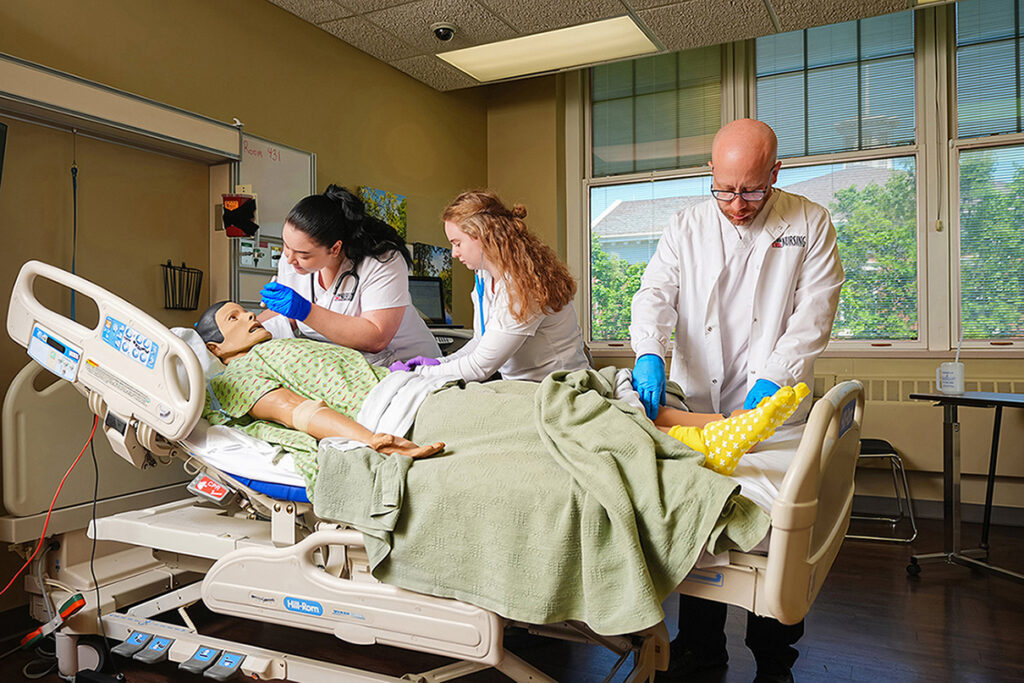
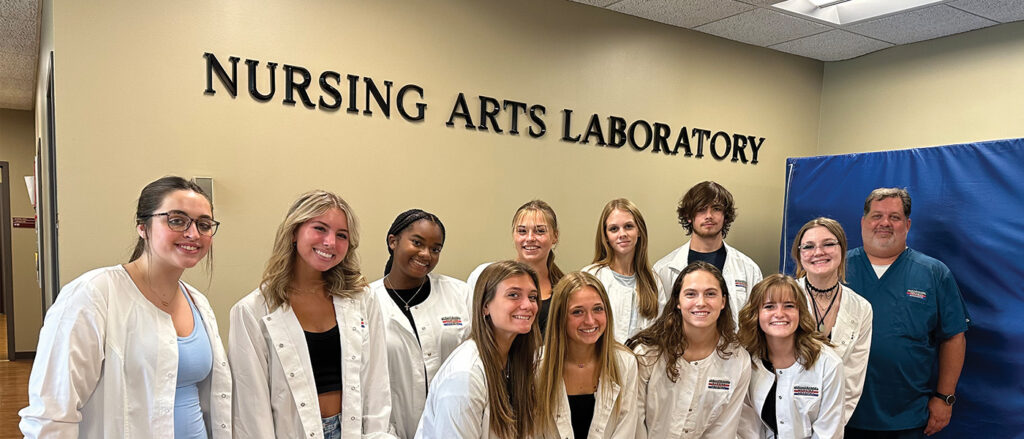
- Enjoy your learning environment on Jewell’s beautiful campus with state-of-the-art labs and the first internationally endorsed simulation center in Missouri and Kansas.
- Take the lead. Learn critical thinking and leadership skills that give you a competitive edge.
- Grow your skills through comprehensive clinical experiences. Attend clinicals in the best hospitals and care facilities in the nearby Kansas City region.
- During your senior year, you will take part in predictor exams, a content review program and an NCLEX live review.
- Our designated NCLEX Success Coordinator individually guides students to success. If you are actively engaged in the resources provided and the coordinator’s instructions, you can be 100% successful!
A Distinctive Experience
You will begin clinicals the second semester of your sophomore year with a 6:1 student-faculty ratio and professors who are experienced practitioners. With over 650 hours of clinical, simulation and laboratory learning and a focus on the whole person, you will gain an advantage in understanding the complexities of your patients.
With professors who emphasize excellent nursing skills, critical thinking and leadership, and a focus on accountability of the individual learner, Jewell graduates consistently score above the national pass rate on nursing licensing exams.
We also offer a three-year degree program for those who want a quicker start on their careers.
Proven Success
More than 3,000 students have graduated from Jewell Nursing since its founding in 1970, and they are sought after by employers because they have a broad understanding of nursing practices and specific skills in their chosen field. Jewell nurses also score consistently above the state and national pass rates on nursing licensing exams.
Jewell Nursing has a 100% NCLEX pass rate in 2023, 2024 and 2025 for all nursing tracks.
Choose the Right Nursing Path For You
Whether you’re starting college, transferring credits or looking for a faster path to your nursing career, Jewell offers multiple ways to earn your Bachelor of Science in Nursing. Explore the options below to find the path that fits where you are now.
-
Traditional Four-Year BSN
Best for: Students beginning their college experience.
Build your nursing education alongside the full Jewell undergraduate experience. The four-year track gives you time to complete your liberal arts, science, leadership and professional nursing coursework while developing your clinical skills and confidence along the way.
What to know:
- Designed for traditional undergraduate students.
- Ideal for students entering with fewer AP, dual-credit or previous college hours.
- Complete your BS with a major in Nursing over four years.
- Nursing coursework includes classroom, laboratory, simulation, practicum and clinical experiences.
- Eligible students may qualify for direct admission to Nursing.
Your path: High school → William Jewell College→ BS in Nursing → Professional nursing
-
Three-Year BSN
Best for: Students ready for a faster undergraduate nursing path who have earned previous college credit.
Earn the same BS with a major in Nursing on an accelerated undergraduate timeline. The three-year track is especially well suited for students entering Jewell with AP, dual-credit or other applicable college coursework and who are prepared for a more intensive academic schedule.
What to know:
- Same nursing degree and nursing curriculum as the traditional track.
- Designed to be completed over three years rather than four.
- Best suited for students bringing applicable college-level credit.
- Includes fall and spring coursework plus at least one summer term.
- Transfer students may enter the three-year track depending on previous coursework and academic progress.
- Eligible first-year students may qualify for direct admission to Nursing.
Your path: High school + college credit → William Jewell College → BS in Nursing → Professional nursing
-
Accelerated Nursing Track
Best for: Students who already have a bachelor’s degree and are ready to make nursing their next career.
Already earned a degree in another field? Jewell’s cohort-based Accelerated Track allows qualified second-degree students to focus on the nursing coursework needed to earn a BS with a major in Nursing in just 12 months.
What to know:
- Requires a bachelor’s degree from an accredited institution before beginning the program.
- Designed specifically for second-degree students.
- 12-month cohort-based curriculum.
- January and May start options.
- Qualified students with sufficient previous undergraduate coursework may be exempt from Jewell’s Core Curriculum requirements.
- Applicants must meet Nursing prerequisite and admission requirements.
- Admission is selective and includes review of previous academic performance.
Your path: Bachelor’s degree → 12 months at Jewell → BS in Nursing → Professional nursing
Nursing
Traditional Four-Year BSN Major at William Jewell
Jewell’s individualized learning experience prepares you with the critical thinking skills you need to be a successful nurse, in nearby Kansas City or beyond. This pre-licensure program prepares nurse generalists to enter the nursing field.

Interests & Attributes:
- Health & Human Services
- Science
- Humanitarian
Our Nursing Mission
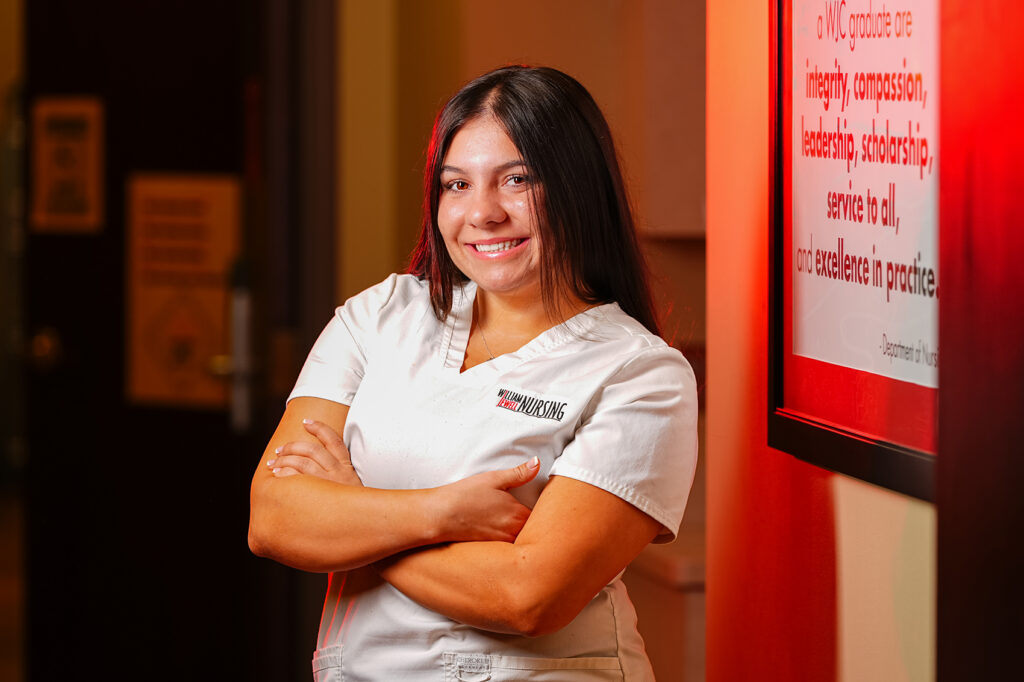
We emphasize mind, body and spirit, both in the classroom and in life, based upon our Nursing Hallmarks: Integrity, Compassion, Leadership, Scholarship, Service to All and Excellence in Practice.
Mission Statement
We educate future nurse professionals to apply critical thought and exemplify integrity, compassion, leadership, scholarship, service to others and excellence in practice
Philosophy
We equip our students with critical thinking to improve human lives and promote compassion and care within the community.
Our Vision
We develop future nurse professionals to pursue meaningful lives by advocating for their communities.
Choosing a Nursing Program
Nursing
Why Choose A Three-Year Nursing Program?
View Full Post for Why Choose A Three-Year Nursing Program?Nursing
What Are the Different Types of Nursing Degrees?
View Full Post for What Are the Different Types of Nursing Degrees?
Nursing
Nursing School Requirements: Courses, Skills and More
View Full Post for Nursing School Requirements: Courses, Skills and MoreNursing
What To Look For In An Undergraduate Nursing Program
View Full Post for What To Look For In An Undergraduate Nursing Program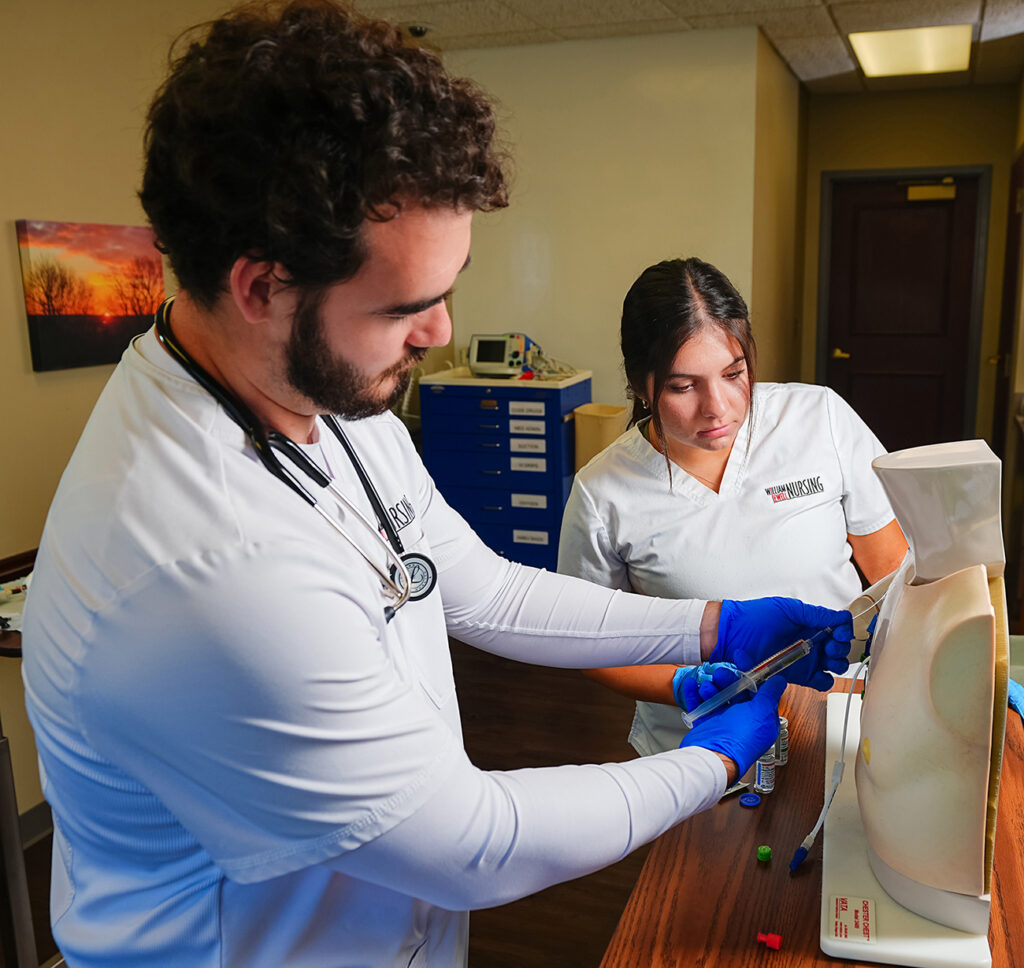
Nursing
Why Choose A Three-Year Nursing Program?
View Full Post for Why Choose A Three-Year Nursing Program?Nursing
What Are the Different Types of Nursing Degrees?
View Full Post for What Are the Different Types of Nursing Degrees?Nursing
Nursing School Requirements: Courses, Skills and More
View Full Post for Nursing School Requirements: Courses, Skills and MoreNursing
What To Look For In An Undergraduate Nursing Program
View Full Post for What To Look For In An Undergraduate Nursing ProgramClinical Excellence and Leadership
Be on the path for NCLEX success. Our curriculum is designed to prepare you to pass NCLEX the first time you sit for nursing boards.
The focus on critical thinking and clinical judgment in the classroom and clinicals works to prepare you for NCLEX style questions and safe nursing practice.
When you graduate, you will be prepared to jump into diverse careers and post-graduate experiences. Jewell nursing alumni work across the globe in a wide variety of health care roles:
- patient care in hospital settings including pediatrics, critical care, organ transplant, oncology, obstetrics, neurology, mental health, intensive care, emergency, cardiology, surgery, trauma, neonatal intensive care and telemetry
- certified registered nurse anesthetist (CRNA) in operating rooms and surgery centers
- continued education including master’s degrees as clinical nurse specialist, nursing education, nurse midwifery, nurse practitioner and doctorate degrees including DNP and Ph.D. programs of nursing
- Army Nurse Corps
- clinic practices in specialties such as epidemiology, obstetrics, infertility, pediatrics and dermatology
- hospice, home health, palliative care
- nurse practitioner in trauma, pediatrics, family, mental health, women’s health
- public and private schools
- case manager
- clinical nurse educator and college professor
- community health organizations and departments
- nonprofits and service agencies
- entrepreneurial ventures including starting businesses such as nurse-run healthcare clinics and specialty nursing uniform shops
Outcomes for Jewell graduates who earn a B.S. in nursing are based on the following six hallmarks:
- Integrity: Exhibit personal integrity as a nurse through honesty, accountability, responsibility, fidelity and professional conduct.
- Compassion: Exhibit compassionate care through therapeutic communication with sensitivity to privacy, confidentiality, equity and diversity.
- Leadership: Exhibit effective leadership skills through incorporating professional identity through appropriate decision making, collaboration, inclusivity, and teamwork.
- Scholarship: Exhibit critical thinking through evidence-based practice, use of informatics and application/evaluation of nursing concepts to improve patient and population outcomes.
- Service to All: Exhibit service above expectation through cultural humility, stewardship of resources to address the individual social determinants of health needs.
- Excellence in Practice: Exhibit safe holistic person-centered nursing care incorporating cultural sensitivity, the nursing process, standards of care and clinical judgment through the William Jewell College Nursing Hallmarks.
Clinical Affiliations and Accreditation
Our reputation for producing highly qualified nurses has helped us secure relationships with healthcare providers throughout the community.
Hospitals: Advent Health Shawnee Mission Medical Center, Centerpoint Medical Center, Cameron Regional Medical Center, Cass Regional Medical Center, Children’s Mercy Hospital, KC Veterans Administration, The University of Kansas Medical Center (KU Med and affiliated hospitals in the region), Liberty Hospital, Mosaic Life Care at St. Joseph – Medical Center, North Kansas City Hospital, Research Medical Center, Score 1 for Health – Kansas City University of Medicine and Biosciences, St. Luke’s Health System, Truman Medical Center (both Hospital Hill and Lakewood locations).
Home Health: Excelsior Springs Home Health, Kansas City Hospice & Palliative Care, Liberty Home Health & Hospice, North Kansas City Home Health, Shawnee Mission Home Health, St. Luke’s Home Health, Visiting Nurses Association
Public Schools: Kearney, Liberty
County Health: Ford Motor Company, St. Mary’s Home for Mothers, NKC Wound Care, Cameron Correctional Center Health
Mental Health: St. Luke’s North Hospital, Truman Behavioral Health
The baccalaureate degree in nursing at William Jewell College is accredited by:
Commission on Collegiate Nursing Education
655 K Street NW, Suite 750
Washington, DC 20001
202-887-6791
The Department of Nursing is fully approved by the Missouri State Board of Nursing.
In compliance with the Missouri Nurse Practice Act (Chapter 335 of the Missouri Statutes, section 335.066), nursing program applicants should be aware that the Missouri State Board of Nursing may refuse to issue a license for specific reasons related to moral turpitude, intemperate use of alcohol or drugs, or conviction of a crime.
Admission to and graduation from the nursing major does not ensure eligibility for state licensure. Any candidate for licensure who has been charged or convicted of a misdemeanor or a felony will be required to submit documentation of the court proceedings for that charge or conviction to the State Board of Nursing of the state in which licensure is sought.
The Missouri State Board of Nursing determines who is eligible to take the licensing examination. Graduates eligible to apply to take the licensure examination must have completed high school or the GED equivalent and must have successfully completed the nursing program.
Questions may be directed to the Missouri State Board of Nursing, P.O. Box 656, Jefferson City, MO 65102 (573-751-0080), www.pr.mo.gov/nursing.asp.
Dates & Deadlines
Application Deadline: November 1
Ready to begin your nursing journey at Jewell? Applications are currently being accepted for the Traditional Nursing pathway. Apply by November 1 to take the next step toward earning your BSN and preparing for a career in nursing.
May 1
Enrollment Deposit
Reserve your place in the incoming class.
Resources and Policies
Students interested in applying for nursing scholarships should visit the sponsoring websites for more information.
Any students who are awarded external scholarships should communicate with the Business Office or Financial Aid to ensure those funds are sent to the College correctly and applied to the student account.
Effective 9/17; Revised: 5/17, 6/18, 8/21, 7/22, 9/24
Updated: 1/26/26
Contact: Department of Nursing
- When applicants are admitted to the college and declare nursing as their major they are classified as direct admit or pre-nursing. Students are classified as direct admit by completion of the following criteria:
-
- High school diploma or GED with less than 12 credit hours of college-level course work other than AP and/or dual credit obtained while in high school
- Any college level prerequisite courses must be C or better
- Meeting William Jewell College admission requirements
- ACT of 22 or better
- GPA of 3.0 or higher in high school
- Declaration of nursing as primary major within first semester attending William Jewell College
2. Direct-admit students will complete an intent to begin form on Etrieve upon admission to the college. Direct-admit students’ start dates to the program may only be deferred once.
3. All students, including direct admits, are considered contingently admitted to the nursing program until all preliminary and secondary requirements of admission are met.
Preliminary requirements are as follows:
- Minimum cumulative GPA of 2.8.
- Completion of all prerequisite coursework with a grade of C or higher.
- A grade of B- or higher is required in Anatomy, Physiology, and Microbiology. One grade of C in Anatomy, Physiology, Microbiology, or Pathophysiology may be considered during the admission review process.
- Students seeking transfer credit for Pathophysiology or Nursing courses, including
- Nutrition and Pharmacology, must have earned a grade of B- or higher in the course.
- Grades of retaken courses will replace the original grade for GPA calculations.
- Multiple low grades, repeats, or withdrawals will also be taken into consideration during the admission review process.
- Successful completion of College-required Core Curriculum level I coursework:
-
- The Responsible Self (CTI 100)
- Identity and Society (CTI 150)
- Students at any time not meeting preliminary requirements will be advised to change their major.
Secondary requirements are as follows:
4. Secondary requirements for admission are completed during the semester prior, only after preliminary requirements are met. These secondary requirements are as follows:
- Completion of a criminal background check as stipulated by the guidelines of the Department of Nursing’s policy posted on this page.
-
- Background check fee to be paid by the student
- Completion of a random drug screening as stipulated by the guidelines of the Department of Nursing’s policy posted on this page.
-
- Assignment of drug screening will be designated randomly by the Department of Nursing
- Drug screening fee to be paid by the student
- All students, including direct admits, are considered contingently admitted to the nursing program until all preliminary and secondary requirements of admission are met.
Verification of Preliminary Requirements
1. The Department of Nursing Chair and the department’s Admission and Progression Committee (APC) will verify the GPA and successful completion of prerequisite coursework for direct entry students at the end of every semester.
- At that time, students will be classified as having met or not met preliminary requirements.
- Any prerequisite courses still in progress at that time will be evaluated at the end of the semester in which they are completed
- The Department of Nursing Chair and the department’s Admission and Progression Committee (APC) will be notified of each individual student’s status on meeting or not meeting all preliminary requirements of admission.
- APC will send written notification to those students not meeting the requirements that they must change their major to pre-nursing. These students will follow the pre-nursing policy.
2. Students beginning the program in the following semester who have met all preliminary admission requirements satisfactorily (with enrolled prerequisite courses still in progress) will be instructed to complete secondary admission requirements upon notification from the Clinical Compliance Coordinator (PCC).
3. Students beginning the program in the following semester who have not met all preliminary admission requirements satisfactorily (excluding prerequisite courses they are currently enrolled in at the time) will no longer have direct admit status and will no longer be considered eligible to begin the nursing program. These students will be advised to change their major.
Admission to the Nursing Program is highly competitive and based on a holistic review of each applicant’s academic record and overall readiness for success in a rigorous nursing curriculum. Meeting minimum admission requirements does not guarantee admission. Admission decisions are based on applicant qualifications and available space within the cohort.
All prerequisite courses must be complete prior to beginning Jewell’s Nursing Program. Appropriate courses in Pathophysiology and Nutrition can be transferred to meet requirements of the nursing major if they were completed within 5 years before matriculation at Jewell. Any nursing courses, such as Nutrition, Pathophysiology and Pharmacology, must transfer with a B- or better. Other prerequisite science courses must have been completed within 10 years of the beginning of the program. Once enrolled into the DON program, NUR 242 Pharmacology will only be accepted when taken successfully through William Jewell College.
Effective 9/17; Revised: 5/17, 6/18, 8/21, 7/22, 9/24
Updated: 1/26/26
Contact: Department of Nursing
- The Pre-nursing (PRENR) track is for students, not eligible for direct entry, to focus their coursework on fulfilling necessary prerequisites and academic progression requirements to be eligible to participate in a competitive admission process to major in Nursing.
- Students on this track may be test-optional students or transfer students to the College who have yet to participate in the formal nursing admission process.
- Students admitted conditionally may not declare Pre-nursing track or Nursing as their major.
- Upon admission to the College, students who elect the Pre-nursing track will complete an Intent to Begin form on Etrieve declaring the semester they intend to begin the program if accepted. Students may only defer their nursing program intended start date one time before becoming ineligible to continue on the Pre-nursing track.
- Pre-nursing track students are required to participate in a competitive selection process based upon academic and additional requirements. Due to the limited number of seats in the program and competitive selection process, some students who fulfill necessary prerequisites and academic progression requirements may not be selected for the nursing program or declare a major in Nursing.
Preliminary requirements are as follows:
-
- Minimum cumulative GPA of 2.8.
- Completion of all prerequisite coursework with a grade of C or higher.
- A grade of B- or higher is required in Anatomy, Physiology, and Microbiology. One grade of C in Anatomy, Physiology, Microbiology, or Pathophysiology may be considered during the admission review process.
- Students seeking transfer credit for Pathophysiology or Nursing courses, including Nutrition and Pharmacology, must have earned a grade of B- or higher in the course.
- Grades of retaken courses will replace the original grade for GPA calculations.
- Multiple low grades, repeats, or withdrawals will also be taken into consideration during the admission review process.
- Successful completion of college required Core Curriculum level I coursework
-
- The Responsible Self (CTI 100)
- Identity and Society (CTI 150)
- Students must complete the Application to Nursing Program form every semester. This form is to be submitted to The Department of Nursing Chair and the department’s Admission and Progression Committee (APC) within two weeks of final grades posting.
- Students at any time not meeting academic requirements will be advised to change the Pre-nursing track to a major other than Nursing.
Secondary Requirements
- Submission of a 250-500-word essay answering the following topics: “Why do you want to become a nurse and what is your plan for success through the program?”
- One letter of recommendation (academic or professional) that addresses the candidate’s character and ability to complete an intensive course of study
- An interview with one or more members of the Department of Nursing
- A written summary of any community, volunteer and health-related experiences
- Completion of a nursing school entrance examination, as administered by the Department of Nursing may be required (exam fee to be paid by the student)
Contingent Requirements
Contingent Requirements for admission are completed during the semester prior, only after contingently admitted to the nursing program. These contingent requirements are as follows:
- Completion of a criminal background check as stipulated by the guidelines of the Department of Nursing’s policy. Background check fee to be paid by the student.
- Completion of a random drug screening as stipulated by the guidelines of the Department of Nursing’s policy. Assignment of drug screening will be designated randomly by the Department of Nursing. Drug screening fee to be paid by the student.
- Once approved to start the program, students are considered contingently admitted to the nursing program until all preliminary, secondary and contingent requirements of admission are met.
Verification of Requirements
- The Department of Nursing Chair and the department’s Admission and Progression Committee (APC) will verify students are on track to start the nursing program upon receipt of the Application to Nursing Program form. Form must be submitted within 2 weeks of final grades posting.
- Any prerequisite courses still in progress at that time will be evaluated at the end of the semester in which they are completed.
- The Department of Nursing Chair and advisor will be notified of each individual student’s status. Students will be classified as having met or not met academic and additional requirements.Criteria Met: Students beginning the program in the following semester who have met all academic and additional admission requirements satisfactorily (with enrolled prerequisite courses still in progress) and are classified as meeting academic and additional requirements will be approved to begin the nursing program as a contingently admitted student. Students will be instructed to complete contingent admission requirements (see below) upon notification from the Clinical Compliance Coordinator.Criteria Unmet: Students who have not met all academic and additional admission requirements satisfactorily (excluding prerequisite courses they are currently enrolled in at the time) will no longer be considered eligible to begin the nursing program. These students will be advised to change from Pre-nursing track to a major other than Nursing.
- Students failing to successfully complete any/all requirements on time will be advised to change to a major other than Nursing.
Adapted from Jameson Health System Department of Nursing
Revised 5/17
Nursing students providing direct patient care, under direct faculty supervision, perform essentially the same physical and emotional activities as a professional nurse. In order to meet the objectives of clinical courses, agreements with our clinical agencies, and ensure the safety of both student and patients, a student must be able to meet these physical and mental demands and fit for duty to attend clinical.
The following information is a description of the physical and mental activities required in nursing. The listing is not all-inclusive, but is meant to provide information related to these major areas in performing safe patient care.
These activities are considered to be in the medium duty category as defined by the U.S. Department of Labor.
- Walking/Standing: Extended periods of walking/standing may occur while in the clinical area. Stairs must be negotiated. Clinical shifts in each clinical course vary and can be up to 12 hours.
- Sitting: Occurs in the classroom, computer lab, during clinical conferences and when documenting in the patient’s medical record.
- Lifting/Carrying: Average lifting requirement is 50 pounds. Nursing requires lifting of patients and carrying of medical equipment, charts, supplies, and medications. In the clinical area and clinical lab experiences, students are required to lift, move, and transfer patients. Requesting assistance when lifting or positioning patients is expected, however, the exertion can be up to 50 pounds.
- Pushing/Pulling: Required in positioning and moving of patients and medical equipment. Pushing on a patient’s chest with considerable force is required in performance of cardiopulmonary resuscitation (CPR). Able to pull or push a Code Blue cart.
- Stooping/Kneeling/Reaching/Climbing: Considerable twisting, bending, stooping, kneeling, and reaching are required during many aspects of patient care (moving patients, bathing patients, making beds, setting up and monitoring medical equipment). Able to climb on to patient’s bed for CPR.
- Eyesight/Vision: Utilized in assessment of patient’s health status when inspecting and observing for changes in color, physical appearance, and non-verbal behavior. Able to accurately read medication labels and prepare medications. Reads written communication and monitors medical equipment findings.
- Depth Perception: Required for the ability to recognize that objects have depth as well as height and width. Assists in description of wounds, lesions, etc. Required for fine task performance when using medical supplies for insertion into the body or medication administration by injection.
- Fine Motor Skills: Needs manual dexterity and coordination to write clearly and precisely to perform various nursing procedures and grasp and control medical equipment as necessary.
- Tactile Sensation: The ability to utilize the hands and fingers as a means of “hands-on” during a physical assessment and medication administration. The individual must be able to feel vibrations, temperature changes, and pulses.
- Temperament: The skills vital in nursing include the ability to adapt to continually changing environment and critical thinking abilities. Must demonstrate professional behavior at all times, especially while caring for patients. Must be able to accept constructive criticism and accept own limits. Must be aware that they will be exposed to communicable diseases and body fluids. Students will be provided knowledge on how to handle their own protection as well as the protection of others. Emotional stability is needed to maintain a therapeutic relationship with patients, families, and health team members. A student nurse may not pose a significant risk to the health and safety of those in the clinical area.
The William Jewell College Department of Nursing is committed to the health, safety and well-being of all students who participate in its programs and represent the college in clinical agencies. Substance abuse is one of the most important issues facing society today. The use of illegal drugs, misuse of legal drugs and dietary supplements, misuse of alcohol and inappropriate use of tobacco products are inconsistent with standards expected of students at William Jewell College. The use of these types of substances can pose risks to the student’s health, negatively affect his or her academic performance, pose risks to the safety of others and diminish clinical performance. It can also compromise the integrity of patient care and the ideals of William Jewell College.
William Jewell College has an institutional drug-testing program consisting of education, testing, rehabilitation, and counseling intended to protect the health and welfare of all students. Amendments to these procedures may be issued with or without notice as deemed appropriate by College personnel. Nothing in these procedures shall be construed to create a contract between students and William Jewell College. However, signed consent and notification forms shall be considered affirmation of the student’s agreement to the terms and conditions contained therein and to this policy and these procedures, and shall be legal contractual obligations of the student.
The Department of Nursing at William Jewell College believes it is our responsibility to do everything possible to protect the health and well-being of our students. It is our desire, therefore to educate our students about the effects (both long and short term) of drugs and over-the-counter dietary supplements on their clinical practice and much more importantly, on their lives. It is our hope that our students will recognize the dangers of drug use, and therefore, practice and live free of all dangerous substances.
Purpose
The central purpose of the program is to protect students from the detrimental effects of drug use/abuse and meet clinical compliance requirements set forth by the Department of Nursing’s clinical partners. The drug testing program should discourage the use of drugs and illegal substances, and appropriate intervention will take place should drugs or illegal substances be detected during a random drug test. Other specific goals of the comprehensive testing program are as follows:
- Education – to provide educational guidance to students to ensure awareness of the physical, mental, and legal consequences of illegal drug use.
- Prevention – to discourage students from drug experimentation and possible drug abuse and dependency by imposing significant sanctions on offenders.
- Detection of abuse – to detect students who may be involved in substance use or abuse through random testing methods.
- Treatment and Rehabilitation – to assist those students for whom a possible drug problem exists in obtaining rehabilitation through drug counseling programs available through referral for counseling services.
- Promote health and safety of student nursing clinical practice – to provide reasonable safeguards assuring that every student is able to participate in nursing practice unimpaired by illegal or banned drugs.
- Meet clinical compliance requirements – to assure clinical agencies that student nurses have been screened for substances which could negatively impact patient safety in accordance with the requirements of the Joint Commission.
Consent to Participate
As a condition of participation in the nursing program at William Jewell College, each student will be required to sign a consent form agreeing to undergo drug testing and authorizing release of test results in accordance with this policy. A student will not be permitted to participate in clinical activities until completed. Failure or refusal to sign this consent or comply with the requirements of this policy may result in ineligibility to participate in clinicals, and therefore, may result in dismissal from the nursing program at William Jewell College. Students will be given the opportunity to ask any questions regarding the information contained in the policy, the testing program, or other related issues prior to signing the drug-testing consent form. See Appendix A section below.
Participants
All William Jewell College students admitted to the nursing program and who have signed the institutional consent form shall be subject to drug testing under the terms of this policy. All admitted nursing students shall be subject to the terms of this policy throughout the calendar year.
Clinical Agencies
William Jewell College students are subject to drug screening policies and procedures of the clinical agency in which they are assigned. Clinical agencies have the right to deny students clinical placement in their facilities.
Drugs/Substances Screened
In accordance with the Joint Commission’s requirement, the William Jewell College drug screening process at a minimum will include screening for amphetamines, barbiturates, benzodiazepines, opiates, marijuana, codeine and cocaine. Reasonable suspicion and reportable accident testing may include amphetamines, barbiturates, benzodiazepines, carisoprodol, opiates, fentanyl analogues, methadone, meperidine, marijuana and cocaine. William Jewell College explicitly reserves the right to test for substances not listed above and to test at varied detection levels.
Ignorance of the legality of a substance is no excuse for a positive test.
Alcohol Policy
The William Jewell College Department of Nursing will defer to the Alcohol Policy in the William Jewell College student handbook. Violations of this policy will be handled as outlined in this handbook.
Types of Drug Testing
- Entrance to Nursing Program
Testing will be required for all students admitted to the nursing program in accordance with Jewell’s agreements with clinical agencies. If a student tests positive, he or she will not be admitted to the program. A student with a positive drug test may reapply after one year. Additional testing may occur if deemed appropriate by the Department of Nursing Chair. - Requirement for Clinical Placement
Testing may be required of any nursing student as part of clinical placement requirements stipulated by the Department of Nursing’s clinical partners. - Reasonable Suspicion
Any nursing student participating in clinical practice is subject to drug testing upon request if there is reasonable cause to believe that the student may be using illegal drugs, misusing legal drugs and dietary supplements or misusing alcohol or tobacco products. Circumstances which constitute reasonable cause, include but are not limited to, the following: current or past involvement with the criminal justice system for drug related activities, notification from the Department of Student Life of any report that includes the presence of drugs and/or drug paraphernalia, prior treatment for drug problems, admission of a current drug problem, prior positive drug test, physiological signs of possible impairment from drugs or a pattern of abnormal behavior.The possession and/or use of illegal substances may be determined by means other than urinalysis. When an individual is found to be in possession and/or using such substances, he/she will be subject to the same procedures that would be followed in the case of a positive urinalysis. See Appendix B for the Reasonable Suspicion Form. - Re-entry Testing
Any student testing positive for an illegal substance will be subject to testing prior to release from administrative sanctions. An increase in drug metabolite from the most recent test indicates usage and therefore a subsequent offense. - Follow-up Testing
Any student testing positive for an illegal substance may be subject to repeated follow-up testing. A test result of negative dilute shall necessitate retesting. Retesting may be at the student’s expense.
Notification Process
Usually, but not always, students will be notified of an impending drug test no more than 24 hours prior to the test session. However, under this policy, no notice testing is permissible. The Nursing Department Clinical Compliance Coordinator or his/her designee will notify the student, in person or by direct telephone communication of the date and time to report to the lab for sample collection. Voice messages and emails are not acceptable forms of notification.
Faculty or clinical instructors may initiate reasonable cause testing for reasonable suspicion during any clinical experience. In the case of reasonable suspicion, a Reasonable Suspicion Report Form (appendix B) must be completed and submitted by the faculty to the Department Chair. Notification for drug testing will be made to the student once the faculty person has notified and gained approval for drug testing from the Nursing Department Chair or his/her designee. The student will read and sign the Nursing Student Notification form acknowledging that he/she has been notified of the drug test and verifying the date and time of the test. (Appendix C) Drug testing for reasonable suspicio
n may include blood as well as urine. The student also acknowledges that failure or refusal to appear, or tampering with the urine sample will constitute a positive test result and will be subject to disciplinary action. Additionally, tardiness will not be tolerated and failure to appear within the designated testing window will be considered a missed test.
Test Site
Drug testing will commonly be conducted at an approved lab contracted by the Nursing Department. After registering online with the Department of Nursing’s contracted drug screening partner, students will report to the lab within the testing window outlined on the Nursing Student Notification form. A government-issued photo ID should be brought with the student to the drug testing site. The student is identified and begins the actual testing process.
Student Confidentiality
Maintaining confidentiality and protection of the rights of the student is a critical factor in drug-testing. Every effort will be made to protect the confidentiality of students under this policy, including those who test positive, undergo reasonable suspicion testing or enter treatment programs. Only persons with a “need to know” will be informed of the drug testing results. Under no circumstances will any William Jewell College personnel or anyone else associated with the drug testing program be permitted to discuss publicly any information acquired in their capacity. All infractions will be referred to as “violation of compliance policy” in communication with any persons not directly affected by the infraction.
College Personnel
The Nursing Department Clinical Compliance Coordinator or his/her designee will serve as the site coordinator and liaison between the Nursing Dept. Chair, drug screening contractor and the laboratory conducting the tests. The Department of Nursing Chair will be involved in all cases of positive tests.
Medical Exception Process
William Jewell College recognizes that some banned substances are used for legitimate medical purposes. Documentation from the student’s prescribing physician will be requested by the Medical Review Officer of the drug screening vendor if a positive test occurs. The Medical Review Officer will confirm medical need and render the test negative, as appropriate.
Drug Testing Procedure
The drug testing collection process will be administered by the contracted drug screening vendor and its lab partners.
Results Notification
The Nursing Department Clinical Compliance Coordinator will receive results (positive or negative). All results will be handled using strict confidentiality. The Nursing Department Chair will be notified in the case of a positive or dilute test.
Sanctions for Positive Test Results
Among the sanctions that may result from positive institutional drug tests are:
- Loss of clinical participation privileges
- Clinical course failure
- One-year suspension from the nursing program
- Permanent dismissal from the nursing program
- Financial responsibility for retesting and/or clinical make-up costs
Positive drug test results are cumulative for the student’s nursing career at William Jewell College. Not meeting any or all of the sanction requirements will be considered another violation of this policy and the subsequent sanction shall apply. Additionally, failure to sign the consent to test form, failure to appear for requested testing or any attempt to manipulate test results will be considered a positive test and appropriate sanctions will apply.
First Violation
- The Nursing Clinical Compliance Coordinator will schedule a confidential meeting with the student, Nursing Clinical Compliance Coordinator and Department of Nursing Chair to inform them of the positive test result.
- The student will be immediately suspended from participation in any clinical rotation. Due to clinical agency
- policies, the student will be unable to participate in any nursing courses for one year. See re-entry information below.
- The student will be required to attend two counseling sessions with the college’s counselor for the purposes of evaluation, education, and if necessary, treatment, counseling or referral. The counselor will determine if additional sessions are warranted based on his/her initial evaluation of the student. He/she will determine when the student has satisfactorily met counseling requirements and thereby released from required counseling sessions.
- The student will be required to attend one educational session with a staff member from the Department of Student Life. Student Life staff will determine if additional sessions are warranted based on his/her initial evaluation of the student.
- One year from the initial positive drug test date, a student may be eligible for re-entry testing. Re-entry testing with a negative result will be required before a student can be released for return to participation in clinical. Cost of retesting will be the student’s responsibility.
Second Violation
- The Nursing Compliance Coordinator will schedule a confidential meeting with the student, the Compliance Coordinator and Nursing Department Chair to inform them of the positive test result.
- The student may no longer be eligible to participate in clinical rotations resulting in failure of the student’s clinical course. In addition, the student may be permanently dismissed from the nursing program at William Jewell College. The student may not be permitted to reapply to the program.
Referrals to the Counseling Department
When counseling services for the purpose of assessment and/or treatment are required, the referring party will make known to the counseling provider a time frame when the assessment or treatment will be needed by the Nursing Department. This will allow the Counseling Department to schedule interviews in a timely manner. The student will be required to sign a release of information to allow communication between the counselor and the nursing department. Failure by the student to meaningfully participate in the evaluation/counseling process as defined by the counselor will be considered as a second offense.
Appeals Process
Students who test positive for a banned substance may contest the finding within 48 hours following receipt of notice. A written request for appeal must be submitted to the Nursing Department Chair within the 48 hour time frame. The Nursing Department Chair or his/her designee will request the laboratory to perform confirmation testing on the student’s specimen. The second test findings will be final. If the second test results are negative, the drug test will be considered negative. If the second test findings are positive, the student will be responsible for any costs incurred with analysis.
Appendix A
William Jewell College Department of Nursing Drug Testing Consent
You must sign this form to participate in the nursing program at William Jewell College, per the requirements set forth by the department’s drug-testing policy. If you have any questions, you should discuss them with the Department of Nursing Clinical Compliance Coordinator or the Nursing Department Chair. This consent form must be signed at the start of each academic year.By signing this form, you affirm that you are aware of the William Jewell College drug-testing program, which provides:
- A student who tests positive shall be subjected to the sanctions set forth by the departmental drug-testing policy.
- A student who tests positive has an opportunity to appeal the positive drug test.
- The penalty for missing a scheduled drug-test is the same as the penalty for testing positive for the use of a banned substance.
- Students incur the costs of drug screening. Students may petition the costs to be waived for costs associated with reasonable suspicion testing.
Effective Fall 2017; Revised 5/17; 6/18; 7/20; 7/21
Rationale
- Clinical Compliance Coordinator (CCC) must check each clinical compliance item prior to a student going to a clinical agency.
- Clinical compliance verification is due to clinical agencies three (3) weeks prior to the start of clinical.
- When a student does not meet the compliance due date, the clinical agency will not allow him/her to attend.
- Students not attending clinical will not meet the objectives of clinical courses.
Procedure
1. New students will receive clinical compliance requirements immediately following the registration meeting.
2. All compliance must be submitted and verified by noon on the last business day prior to:
- March 1 for January start
- May 1 for May Accelerated Track start
- October 1 for August start
There may be additional site-specific compliance requirements prior to clinical orientations. These will be requested from the student, and a deadline will be given. If students have missing or incomplete site-specific compliance items after the due date, students will be notified by the CCC through email and phone. Students will be given an additional 48 hours after notification by the CCC to comply. If site-specific compliance is not completed within the 48 hours, the student will be considered non-compliant, and the Chair will be notified.
3. If a student is non-compliant, the student, Course and Clinical Coordinator, and the advisors will be informed by the Chair of the Nursing Department via email:
- For any incomplete and/or late compliance item(s) the student will have five percentage (5%) points deducted from the final course grade in each clinical course the student is enrolled in.
- The student will meet with the Chair about the non-compliance. The Chair will initiate the Performance Feedback Form (PFF) process with the student and discuss the process to comply.
- For incomplete compliance items and/or late compliance items the student will be held accountable for the policies of the course, be at risk for not being permitted to attend clinical orientation and/or attend clinical, failing clinical and/or failing the course.
- Late and/or noncompliance resulting in course final grade deductions may result in failing the clinical course or clinical courses student is currently enrolled.
- Students not attending clinical orientation may not attend clinical and must drop the course
- The student may not return to class, clinical or attend clinical orientation for the related course(s) until the compliance documentation is verified by the CCC.
- If a second occurrence of noncompliance occurs in a semester, the Chair and student will complete a PFF.
4. Upon verification that compliance is complete, the Chair will inform the student, faculty and advisors via email.
Curriculum Guidelines
Nursing Faculty
-

Tiffany Condren, PhD, RN, RNC, CHSE
Assistant Professor and Director of Nursing
-

Annette Behney, DNP, APRN, FNP-BC
Associate Professor of Nursing
-
Anna Kaaiakamanu, DNP, RN, CCRN
Assistant Professor of Nursing
-
Debra Penrod, MSN, RN
Assistant Professor of Nursing
-

Patricia Richter, DNP, RN
Assistant Professor of Nursing
-
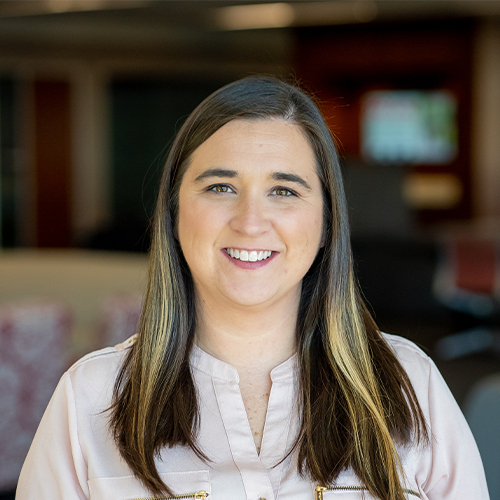
Jenn Ryan, MSN, APRN, FNP-C
Instructor of Nursing; Student Health Center Nurse Practitioner
-
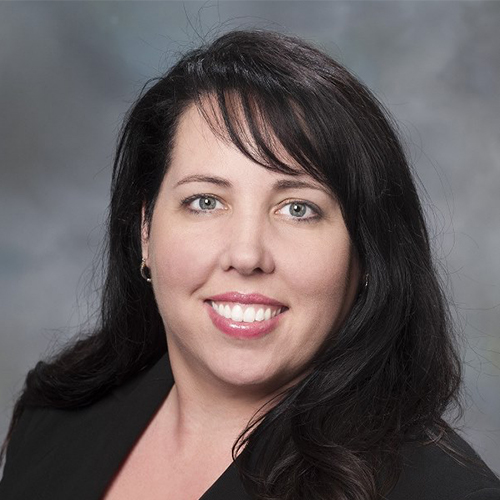
Melissa Timmons, DNP, RN-BC
Associate Professor of Nursing
Nursing
Students who want to change their major to nursing must meet with the Department Chair and/or Nursing Student Liaison to review admission criteria.
Students in their first semester after high school will be considered Direct Entry Nursing majors and will follow the Direct Entry Policy.
Students entering after their first semester will be classified as Pre-Nursing students and will follow the Pre-Nursing Student Policy.
Students must also complete an Intent to Begin form. Acceptance into the nursing program is based on meeting admission criteria and space availability.
Accelerated Track, Transfer, and Pre-Nursing prospects will be interviewed by the Nursing Student Liaison (NSL) using the nursing interview guide.
Readmission prospects will be interviewed by both the NSL and the Department Chair.
Prospective students who need to complete their interview through Skype or another internet-based program will also be interviewed by both the NSL and the Department Chair.
Nursing students transferring from another nursing program must have B- or better in all completed nursing courses and a letter from the program’s nursing dean or chair indicating that the student meets all academic, professional and clinical requirements in their program to progress.